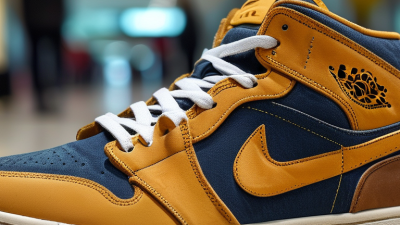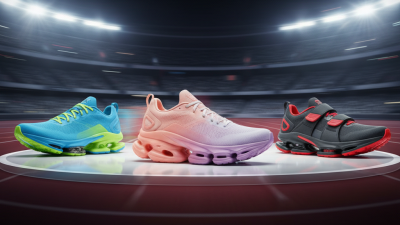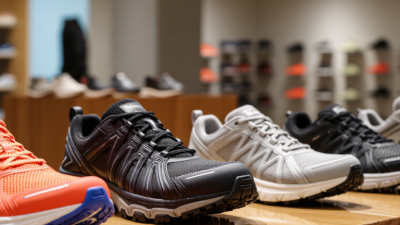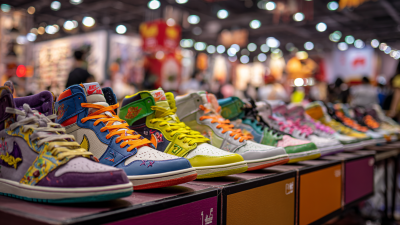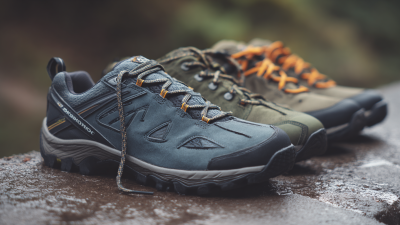
China remains a major sourcing destination for sports footwear, serving brands, retailers, and private-label buyers across global markets. Yet a factory’s location alone says little about its fit for a project. Buyers need to assess product capability, communication, quality controls, and delivery consistency.
A reliable comparison starts with the product itself. Running shoes, court shoes, and training styles place different demands on cushioning, grip, upper materials, and construction. Ask manufacturers about sample development, material traceability, testing procedures, minimum order quantities, and production lead times. Then compare their answers with physical samples and documented specifications. Details matter. A neat sample can still hide weak stitching or uneven sizing.
This guide introduces Chinese manufacturers relevant to global buyers and outlines practical points for evaluating them. It is not a substitute for factory audits or independent verification. Company capabilities can change, and supplier claims should be checked directly. That may take time. It is worth doing. Buyers should also clarify communication routines, packaging requirements, and inspection expectations before placing an order. A missed detail can affect an entire shipment. Even experienced teams sometimes overlook that. Choosing a sports footwear partner is less about finding a single “best” name and more about matching proven production strengths to a buyer’s market, design, and service needs. Some comparisons remain imperfect; transparent questions are better than confident assumptions.
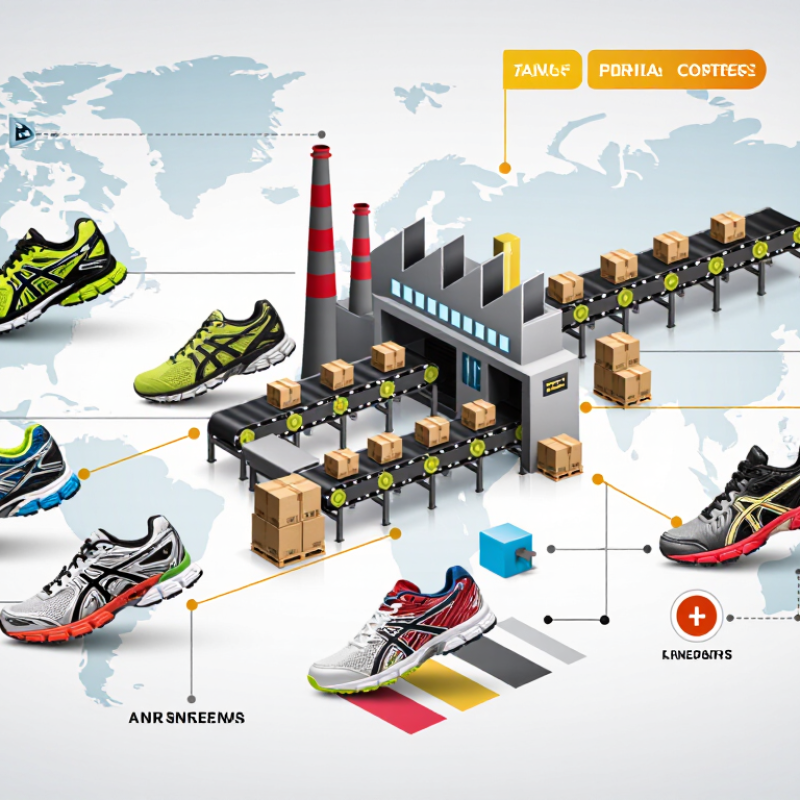
A leading Chinese sports footwear manufacturer is not defined by low quotations alone. It should turn a product brief into consistent fit, cushioning, grip, and durability.
The World Footwear Yearbook 2024 estimates global footwear production reached
22.4 billion pairs
in 2023, with Asia accounting for about
87.5%.
That scale offers buyers options, but scale itself proves little.
Review production records, sample-to-bulk consistency, material traceability, and corrective-action reports. Ask how the factory tests outsole adhesion and flexing, and request results for the specific model.
Check capacity planning, too. A busy line can still miss delivery dates when key components arrive late. Strong suppliers flag risks early.
On a factory visit, inspect stitching, lasting alignment, and size checks on the production line, not only polished showroom samples. Confirm that quality limits and defect procedures are documented and understood by workers.
Small details matter. A shifting heel counter can affect fit across thousands of pairs. Responsible sourcing also means verifying supplier records and material claims.
No factory is flawless. What matters is whether it shares evidence and corrects recurring problems. Buyers should compare lead times and order quantities with their forecasts; impressive capacity means little if communication is slow or customization causes delays.
China’s sports footwear production is concentrated in several coastal regions, each with a different supplier mix. In Guangdong, especially around Dongguan and Guangzhou, factories often work with technical materials, detailed pattern development, and export-oriented production. Buyers may find a broad network of component suppliers nearby, from sole makers to packaging workshops. Shorter supply routes can help, but they do not guarantee consistent quality.
Fujian, particularly Jinjiang and Quanzhou, is known for large-scale footwear manufacturing and a deep local supply chain. Many producers handle sports shoes across multiple price points, with access to midsoles, outsoles, mesh, and synthetic uppers. This concentration can support efficient sampling and repeat orders. Fit still matters. A sample may feel comfortable in the workshop yet perform differently after extended wear.
Zhejiang, including Wenzhou, has a long footwear-making base and suppliers serving varied shoe categories, including athletic-style products. Capabilities differ widely between factories, so regional reputation is only a starting point. Ask for material specifications, production samples, and clear defect criteria. Check whether the factory can document its own inspection process. Not every factory fits. Regional maps simplify a complex industry, and a supplier’s real strengths may depend on its equipment, workforce, and order size.
Manufacturers serving global buyers often produce running shoes, court footwear, training styles, and field-sport models. Each category needs a different balance of cushioning, grip, stability, and weight. A road-running outsole may use durable rubber zones, while indoor court shoes need non-marking traction and lateral support. Fit matters. Ask for size grading, width options, and sample measurements before approving a design.
Material selection affects performance and production planning. Engineered mesh can reduce weight and improve airflow, but open constructions may need reinforcement in high-wear areas. Synthetic overlays, knit uppers, molded foam midsoles, and rubber compounds each respond differently to heat, flexing, and abrasion. Capable factories can support pattern development, lasting, outsole molding, and in-line inspections. Still, a polished sample does not guarantee every bulk pair will feel identical. That gap deserves attention.
Tips: Request a wear-test pair and a written test plan. Check flex, heel hold, outsole grip, seam finishing, and bonding after repeated use. Ask how defects are recorded and corrected. Start with a clear technical pack, but allow room for revisions. The first draft is rarely perfect. Keep changes traceable across samples and production lots.
Indicative density ranges for commonly used sports-footwear materials. Actual values vary by formulation, grade, and construction; use them as a material-selection reference, not a supplier specification.
Lower-density foams are commonly used in midsoles to reduce weight, while denser TPU and rubber compounds are often selected for support, durability, or outsole grip. Confirm exact material properties with the manufacturer.
Global buyers should verify more than a factory’s sample room. The World Footwear Yearbook 2024 estimates that global footwear production fell to 22.4 billion pairs in 2023, with Asia producing about 87% of the total. This scale makes capacity claims easy to overstate. Ask for production records, staffing levels, and a line schedule for your specific shoe construction. Check whether the factory can repeat details such as outsole bonding, stitching density, and size grading across a full run.
Samples are not proof. Compare approved samples with pairs taken from a trial production run. Request recent test reports covering flexing, abrasion, and slip resistance, and confirm the tested materials match your bill of materials. During a site visit, observe how incoming materials are labeled and how defects are recorded. A tidy showroom can conceal weak controls elsewhere. Treat unanswered questions as a reason to investigate, not automatic evidence of poor quality.
Tips: Request a live video walk-through of the production line, then verify key claims against dated records. Keep written approval for material substitutions and retain a sealed reference sample. Don’t rely on promises alone.
China’s scale offers choice, but a large supplier base makes careful sourcing essential. The World Footwear Yearbook 2024 estimates that China produced 55.5% of the world’s footwear in 2023, within an Asian share of about 88%. These figures show capacity, not a guarantee of fit or consistency. Ask factories for recent product references, production capacity by line, and clear subcontracting disclosures. A sample can look excellent under showroom lights. Check it again after wear and flex testing.
Quality control should follow the product through development, production, and packing. Confirm the approved material, stitching details, and size tolerances before bulk production. Inspect early pairs, then review defect records and final random-inspection results. Keep test reports traceable to the actual materials and production batch. For compliance, map each component against destination-market requirements, including chemical, labeling, and documentation needs. Independent testing can help, but it cannot replace clear factory records. That sounds neat on paper; real production is messier.
Long-term partnerships depend on practical communication. Share forecasts early, record corrective actions, and agree who approves changes to soles, adhesives, or packaging. A missed update can quietly alter a specification. Review delivery performance and recurring defects together, rather than treating each order as a fresh negotiation. Good suppliers may still make mistakes; what matters is whether evidence, ownership, and a workable correction follow.