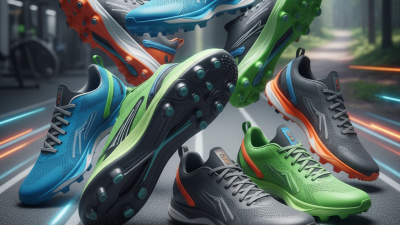
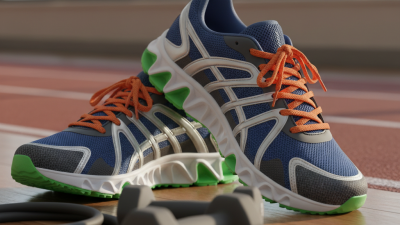
Why Is Athletic Footwear a Smart Choice for Global Buyers?
Why Is Athletic Footwear a Smart Choice for Global Buyers?
Athletic footwear has moved beyond gyms and running tracks. It now supports work, travel, commuting, and everyday movement. Buyers can see this shift in airport queues, city sidewalks, and school entrances. Grand View Research estimates that the global athletic footwear market reached approximately USD 152 billion in 2023. It also projects continued growth through 2030, supported by fitness participation, casual styling, and e-commerce.
The World Footwear Yearbook 2024 reports that global footwear consumption remains highly international. Asia continues to dominate production, while North America and Europe remain major consumer markets. This supply structure gives global buyers broad access to price points, materials, and performance categories. McKinsey’s Sporting Goods 2024 report also identifies wellness, athleisure, and digital shopping as important industry forces. These trends make athletic footwear easier to position across different markets.
Matt Powell, a veteran sports-industry analyst, has observed, “The sneaker market has become much more fashion-driven.” His point matters. A breathable trainer can serve a morning run, a train journey, and a casual office. That flexibility can reduce product risk for retailers. Still, smart buying is not automatic. Sizing systems differ. Returns can be expensive. Sustainability claims require verification. Market reports also use different definitions, so their figures are not perfectly comparable. That is the uncomfortable part.
Reliable buyers should examine fit data, material durability, regional demand, and supplier transparency. They should test products with real users, not only polished samples. When performance, comfort, design, and evidence meet, athletic footwear becomes a practical global category—not merely a fashionable one.
What Defines Athletic Footwear in the Global Market?
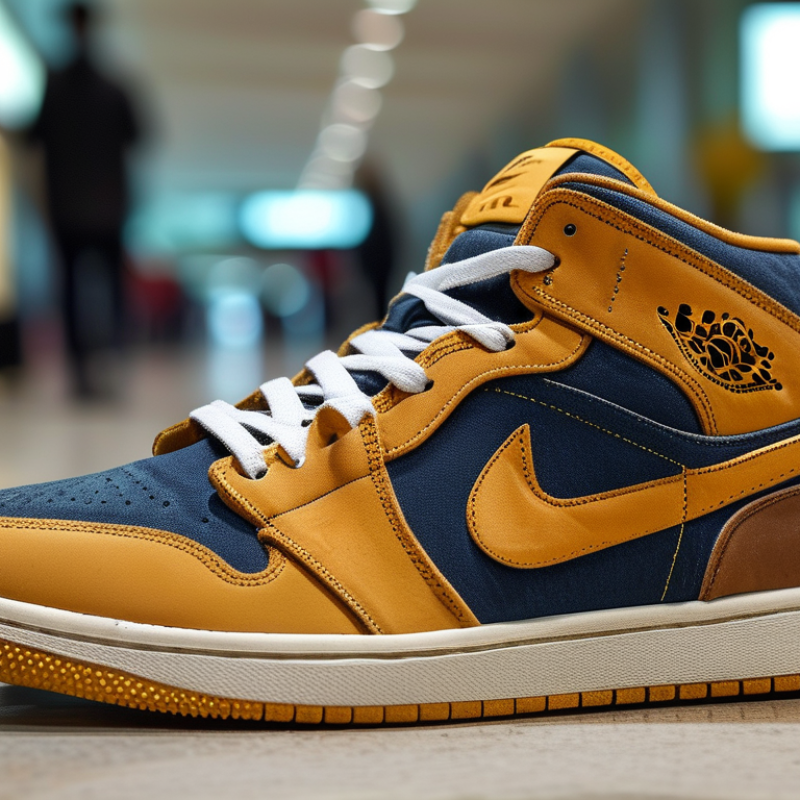
In the global market, athletic footwear means more than shoes designed for running or training. It combines functional construction, sport-specific support, comfort, durability, and measurable performance. Buyers often examine cushioning, heel stability, outsole traction, breathability, and weight. These details matter on a wet court, a crowded subway, or a long retail shift. The International Organization for Standardization highlights footwear testing areas such as flexing, slip resistance, and durability. Therefore, a serious product definition should include performance evidence, not attractive claims.
Market data also shows strong commercial relevance. Allied Market Research valued the global sports footwear market at approximately USD 130.5 billion in 2021. Its report projects the market to reach about USD 215.6 billion by 2031.
This growth reflects wider participation in fitness, casual movement, and outdoor activities. However, the numbers do not prove that every athletic shoe is a smart purchase. A lightweight design may sacrifice durability. Extra cushioning may not suit every foot shape. That weakness deserves attention.
Tips:
Ask for laboratory test results, material specifications, size measurements, and outsole wear information. Compare products under similar conditions. Check whether the shoe fits the intended activity and climate. Do not rely on “premium” language alone. A practical buyer should also review return policies and supplier consistency. Small production differences can affect comfort. This is easy to underestimate.
How Athletic Footwear Meets Diverse Consumer Needs
Athletic footwear has become a practical choice for global buyers because daily movement varies widely. A commuter may walk over uneven pavement, while a warehouse worker stands for eight hours. In my experience reviewing footwear, comfort depends on more than soft cushioning. Fit, breathability, grip, and stable support matter together. A wide toe box can help some feet, but it may feel loose on narrow feet. There is no universal shape. Short.
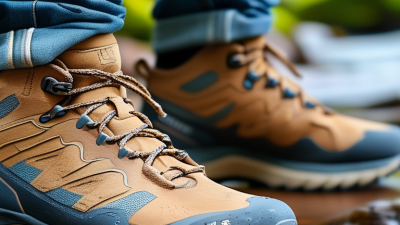
Climate also changes the decision. Mesh uppers can feel cooler in humid cities, while water-resistant materials suit wet streets. However, extra protection may reduce airflow and increase weight. Buyers in colder regions may prefer thicker lining, but that choice can feel uncomfortable indoors. Athletic footwear supports different routines, including school travel, light training, casual walking, and long shifts. Flexible soles help natural movement, whereas firmer soles may offer better control during repeated lifting. Usage needs careful attention.
Sizing is another global concern because measurement systems differ, and online charts are not always consistent. Buyers should compare foot length, width, and intended socks before ordering. Checking return policies is equally sensible when fit cannot be tested. Durability deserves honest scrutiny: reinforced stitching and abrasion-resistant outsoles may extend use, yet they can raise cost. I still find product descriptions too optimistic at times. Real comfort appears after hours, not five minutes. That uncertainty makes user reviews and clear material details valuable.
Which Materials and Technologies Improve Performance?
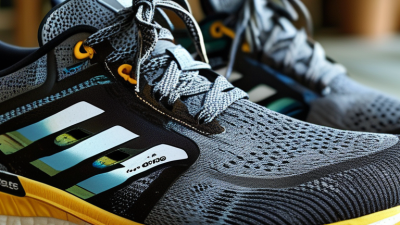
Athletic footwear performs best when materials match the activity. A breathable mesh upper can release heat during long runs, while reinforced films add stability around the midfoot. Moisture-wicking linings also reduce friction, although damp socks can still cause discomfort. Fit matters more than marketing claims.
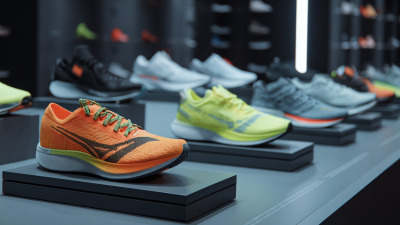
Foam technology changes the landing experience. Lightweight EVA and newer thermoplastic foams can soften impact and return energy during repeated strides. Carbon or composite plates may improve stiffness and propulsion, especially in racing designs. However, greater stiffness is not automatically better. Some users may lose natural flexibility or feel unstable on uneven ground. A 2024 review in Sports Medicine reported that advanced running-shoe designs can improve running economy, but results vary by runner and model.
Material choice also affects global purchasing decisions. Textile Exchange’s 2024 Materials Market Report recorded 124 million tonnes of global fiber production in 2023, with polyester remaining the dominant fiber. Recycled polyester can reduce dependence on virgin inputs, but durability and recycling infrastructure require careful checking. Look for clear material percentages, test methods, and lifecycle claims. The International Organization for Standardization’s ISO 20957 testing framework also shows why performance claims need consistent measurement. Numbers help. Real-world wear still matters. A sole that grips wet pavement, survives repeated bending, and remains comfortable after six hours may outperform a lighter option. That trade-off deserves honest review.
How Global Supply Chains Support Athletic Footwear Trade
Why Is Athletic Footwear a Smart Choice for Global Buyers?
Athletic footwear benefits from a mature, internationally connected supply chain. The World Footwear 2024 Yearbook reports that global production reached 23.9 billion pairs in 2023. Asia supplied about 87.4% of that output. This concentration supports competitive pricing, specialized factories, and large material networks. Buyers can compare suppliers across production hubs. They can also adjust order volumes more easily.
The supply chain is highly coordinated. Synthetic textiles, rubber components, cushioning materials, packaging, and assembly often come from different regions. Freight forwarders then connect factories with ports, warehouses, and online distribution channels. The DHL Global Connectedness Report 2024 shows that international trade remains deeply integrated, despite recent disruptions. For buyers, this creates more sourcing options and faster replenishment. Not always faster.
Reliable purchasing still requires practical checks. Buyers should review factory capacity, inspection records, material consistency, and transport performance. The World Footwear report also indicates that footwear demand remains closely linked to population, income, and regional consumption patterns. That makes market-specific sizing and climate testing important. A shoe designed for dry streets may perform poorly in humid storage. Low prices can also conceal delays, waste, or weak traceability. Supply chains improve efficiency, but they are not automatically transparent. Careful buyers should question attractive figures and verify the details behind them.
What Factors Should Buyers Consider Before Purchasing?
Why Is Athletic Footwear a Smart Choice for Global Buyers?
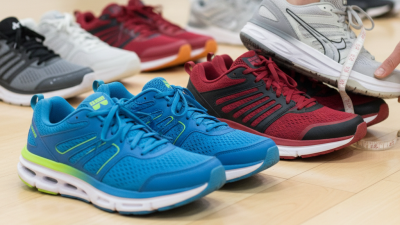
Global buyers should examine athletic footwear beyond appearance and low pricing. A reliable pair needs stable cushioning, secure heel support, and enough room for natural toe movement. Try shoes late in the day, when feet are slightly swollen. This simple test often reveals pressure points. Buyers should also compare local size charts carefully. Measurements can vary between markets, even when numbers look identical. Breathable mesh may suit humid regions, while insulated materials work better in colder climates. However, excessive insulation can cause discomfort during indoor training.
Tips: Check outsole grip on wet and dry surfaces. Ask for material details, laboratory testing, and production dates. Review return policies before placing large orders. A supplier should explain quality checks clearly. Photos alone are not enough. Request close images of stitching, heel counters, and outsole patterns. Examine several samples, not only one. Small defects sometimes appear after repeated bending.
Durability matters for buyers managing transportation, resale, or team use. Look for reinforced toe areas and flexible stress zones. Lightweight construction is useful, but very light shoes may sacrifice support. That trade-off deserves careful testing. I once preferred a softer sole, but it compressed faster than expected. My mistake was judging comfort after ten minutes. A better evaluation includes walking, running, and standing for several hours. Buyers should also confirm packaging strength and delivery conditions. Shoes can arrive deformed after long-distance shipping. Clear supplier communication helps, although it does not replace physical inspection. No checklist is perfect. Reflect on actual user feedback before repeating an order.