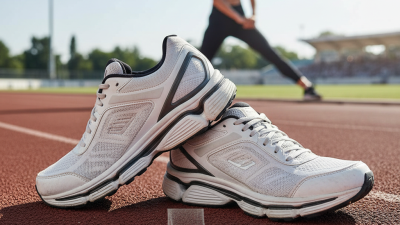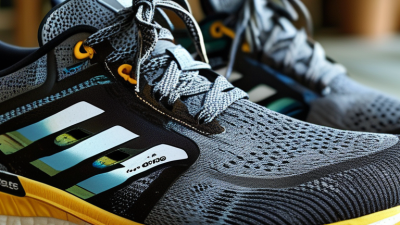
How to Choose the Best Athletic Running Shoes?

Choosing athletic running shoes is not a popularity contest. It is a practical decision shaped by your feet, training habits, and running surface. The best pair should feel secure without squeezing your toes. Your heel should remain stable while walking and jogging. The midsole should soften impact without making you feel unstable. Small details matter, such as a thumb’s width between your longest toe and the shoe’s front. That space becomes valuable when feet swell during longer runs.

Public health data provides useful context. The Centers for Disease Control and Prevention recommends at least 150 minutes of moderate activity weekly for most adults. Regular training can place repeated stress on your feet, ankles, knees, and hips. Your shoes cannot correct every movement problem. They can, however, improve comfort and confidence when properly fitted. Running USA’s 2024 State of the Running Industry Report shows continuing interest in recreational running. The Sports & Fitness Industry Association’s 2024 Topline Participation Report also tracks running and jogging as major fitness activities. These reports suggest a broad market, not one perfect shoe.

Professional advice still requires personal testing. A specialist may examine your gait, arch behavior, and usual routes. Try shoes late in the day, when your feet are slightly larger. Walk, jog, and notice pressure near the toes or Achilles tendon. Do not trust marketing alone. Reports provide direction, but they cannot feel your pavement, trail, or tired legs. That part remains imperfect. A thoughtful choice combines evidence, fit, and honest feedback from your own body.
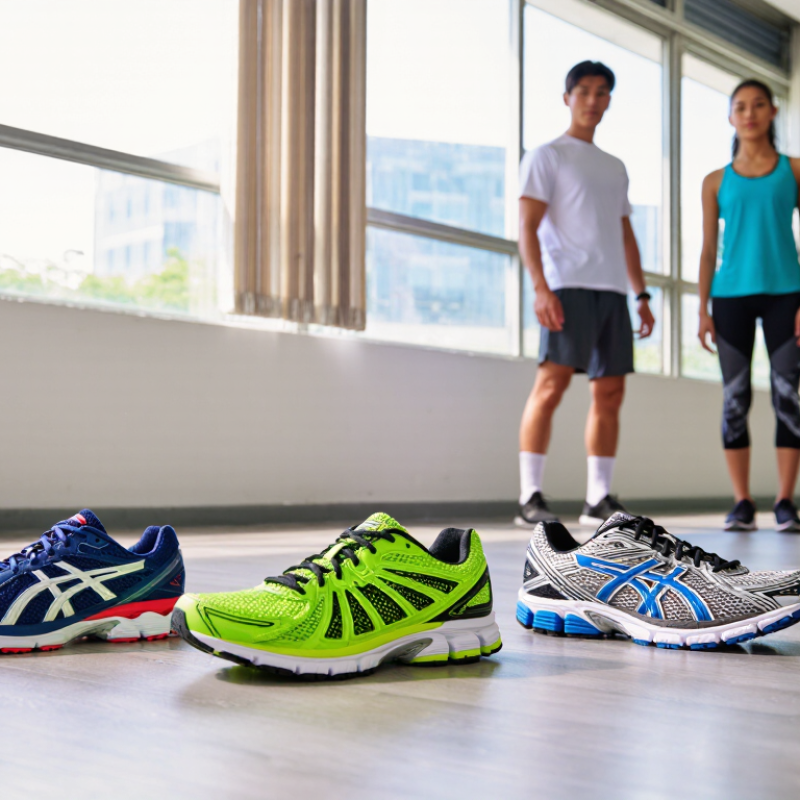
How to Choose the Best Athletic Running Shoes?

Understanding the Essential Features of Athletic Running Shoes

Choosing the best athletic running shoes starts with understanding their essential features, not chasing popular designs. A comfortable fit is the most reliable foundation. Try shoes later in the day, when feet may be slightly swollen. Leave about a thumb’s width between your longest toe and the front. Your heel should stay secure without painful pressure.

Pay attention to cushioning, support, flexibility, and traction. Cushioning should reduce harsh impact without making the shoe feel unstable. Runners with different foot shapes may need different levels of arch support. However, labels can be misleading. Let your own movement guide the decision. Bend the shoe gently, then walk and jog in it. The forefoot should flex naturally, while the middle should not twist too easily. A breathable upper can keep feet cooler during long sessions, and a grippy outsole matters on wet pavement.

I once selected a lightweight pair that felt fast in the store. After several runs, my calves felt unusually tired. I had ignored the surface and my weekly distance. That mistake changed my approach. Match the shoe to your route, pace, and training load. Check the sole for uneven wear, compressed foam, or reduced grip. There is no perfect shoe for every runner. Even expert advice needs personal testing. Comfort can improve performance, but it cannot correct every running habit.

Identifying Your Foot Type, Running Style, and Personal Needs

How to Choose the Best Athletic Running Shoes?

Your foot type shapes how a running shoe should feel. Check your arch by standing on a damp footprint or asking a qualified professional. A low, medium, or high arch can affect comfort, but it does not decide everything. Notice your heel width, toe space, and pressure points. Your toes should move freely, while your heel stays secure. Try shoes late in the day, when feet are slightly larger. Walk and jog indoors before judging them.

Your running style matters just as much. Road runners often need lightweight cushioning, while trail runners may need deeper grip and stronger protection. Consider your pace, distance, training surface, and weekly schedule. If you run after work, reflective details and stable comfort may matter more than speed. A previous injury should encourage professional advice, not guesswork. No fitting method is perfect. I might choose a soft shoe one week, then dislike its unstable feel later. Pay attention to real feedback from your feet.

Tips: Bring the socks you normally wear. Compare both feet, because they may differ slightly. Leave about a thumb’s width before your longest toe. Test stairs, turns, and a gentle jog. Replace shoes when cushioning feels flat, the outsole wears unevenly, or new aches appear. Your needs can change with training, age, and running goals.

How to Choose the Best Athletic Running Shoes?

Identify your foot type, running style, and personal needs before selecting a suitable pair.

Assessment Area Common Finding What It May Indicate Shoe Features to Consider Practical Fit Check
Arch profile Low, medium, or high arch Arch height can affect comfort and how the foot contacts the ground, but it does not determine a single correct shoe category. Choose a comfortable, supportive upper and midsole. Avoid selecting a shoe based only on an arch label. Walk and jog in the shoes. The arch area should feel supported without pressure, rubbing, or numbness.
Foot strike and motion Neutral motion, inward rolling, or outward rolling Running motion varies among individuals and may change with speed, fatigue, and terrain. Start with a neutral, comfortable design. Consider a guidance feature only if it feels comfortable and is recommended by a qualified professional. Check whether the shoe feels stable without forcing the foot into an unnatural position.
Foot length Different left and right foot lengths are common A shoe that is too short can cause toe pressure, bruised toenails, or discomfort during longer runs. Select the size that fits the larger foot and allow adequate forefoot space. Leave approximately a thumb-width of space in front of the longest toe while standing.
Foot width and shape Narrow, standard, wide, or broad forefoot A poor width match may lead to pressure points, blisters, or excessive foot movement. Look for an appropriate width, a secure heel, and enough room for the toes to spread naturally. The upper should not squeeze the widest part of the foot, while the heel should not slip excessively.
Running surface Road, treadmill, track, gravel, or technical trail Surface affects traction, protection, flexibility, and stability requirements. Road shoes usually emphasize smooth transitions; trail shoes generally provide deeper traction and greater protection. Match the outsole to the surface. Avoid aggressive trail lugs for regular smooth-road running unless additional traction is needed.
Training distance Short runs, regular daily runs, or long-distance training Longer sessions may increase the importance of cushioning comfort, secure fit, and moisture management. Choose cushioning and flexibility that remain comfortable throughout the intended run duration. Test the shoes on a gradual run before using them for a long event or demanding workout.
Running intensity Easy running, tempo sessions, intervals, or racing Faster sessions may benefit from a lighter, more responsive design, while easy runs often prioritize comfort. For daily training, prioritize durability and comfort. For speed work, consider a lighter shoe that remains stable and comfortable. The shoe should feel predictable during acceleration, braking, and cornering.
Cushioning preference Firm, balanced, or soft underfoot feel Cushioning preference is personal and should be assessed by comfort, stability, and intended use. Select a cushioning level that reduces discomfort without feeling unstable or excessively heavy. Try walking, jogging, and turning. Reject any model that causes pain or feels difficult to control.
Stability requirement Stable feel needed for comfort or uneven surfaces Stability can come from a secure upper, broad platform, suitable geometry, and appropriate outsole contact. Look for a secure heel counter, steady platform, and well-fitting midfoot rather than maximum structure by default. Stand on one foot and walk on a smooth surface. The shoe should feel steady without restricting natural movement.
Weather and climate Hot, humid, cold, wet, or mixed conditions Temperature and moisture affect comfort, friction, and drying time. Choose breathable mesh for warm conditions and suitable water resistance or traction for wet conditions. Wear the socks normally used for running and check for heat buildup or wet-feet friction.
Injury history and sensitivity Previous pain, blisters, bunions, or sensitive areas Past symptoms may require an individualized assessment rather than a generic shoe recommendation. Prioritize a pain-free fit, adequate width, smooth seams, and a gradual transition to a new design. Stop using the shoes if they cause persistent pain, numbness, or repeated irritation; seek professional advice when needed.
Shoe replacement Visible wear, reduced comfort, or compressed cushioning Shoe life depends on construction, body weight, running surface, training volume, and maintenance. Replace shoes when fit, comfort, traction, or structural support has noticeably declined. Inspect the outsole, midsole, upper, and heel alignment regularly instead of relying only on a fixed mileage number.
Selection rule: The best running shoe is the one that fits your larger foot comfortably, matches your running surface and training purpose, feels secure without pressure, and remains comfortable during movement.

Comparing Cushioning, Stability, Fit, and Shoe Construction

Choosing athletic running shoes begins with cushioning, but softness is not automatically better. A 2023 review in Sports Medicine found inconsistent links between cushioning, biomechanics, and injury outcomes. Your body matters more than a laboratory label. Heavier runners, long-distance runners, and people training on concrete may prefer deeper cushioning. Track runners may want a firmer, more responsive midsole. Test both. Notice whether your foot feels supported after fifteen minutes, not only during the first step.

Stability should feel quiet, not corrective. A broad platform, structured heel counter, and controlled midsole can reduce unwanted movement. However, excessive stiffness may feel awkward during turns. Shoe construction also changes the experience. Check the upper for breathable material and secure midfoot hold. Leave roughly a thumb’s width before the longest toe. The outsole should bend near your forefoot, while the heel should not collapse sideways. According to SFIA’s 2024 Topline Participation Report, 50.7 million Americans ran or jogged in 2023. One design cannot suit that many bodies. That is the uncomfortable truth.

Tips: Walk, jog, and climb stairs in each candidate. Compare left and right comfort. Try them late in the day, when feet are slightly swollen. Bring your usual socks. Replace a pair when cushioning feels flat or the outsole wears unevenly. Keep a short training note for two weeks. It may reveal more than marketing claims. A perfect choice is unlikely; an informed, adjustable choice is realistic.

Testing Running Shoes for Comfort, Support, and Performance

Choosing athletic running shoes should begin with testing, not marketing claims. The SFIA 2024 Topline Participation Report recorded more than 50 million U.S. running participants in 2023. That scale matters. Shoes must serve different feet, surfaces, and training goals. Walk for five minutes first. Then jog on a firm surface. Check whether your heel stays steady, your toes can spread, and pressure remains even across the forefoot. Comfort should feel immediate.

Test support under movement. Run several short intervals, including a gentle turn and a controlled stop. Notice ankle wobbling, arch pressure, and unwanted rubbing. A shoe can feel stable in a shop but unstable after thirty minutes. I have made that mistake. My early judgment was too quick. The American College of Sports Medicine recommends gradual training changes, so test shoes during easy runs before demanding sessions. Record comfort from one to ten after each run, but treat the score as personal evidence, not scientific proof.

Performance requires measurable comparison. Weigh each shoe, compare heel-to-toe geometry, and repeat the same route at a similar pace. World Athletics’ 2024 technical rules limit road-racing shoe stack height to 40 millimetres, showing how geometry can affect competition design. That limit does not make one everyday shoe best. Cushioning, flexibility, and traction still depend on distance and terrain. After three runs, inspect the outsole and midsole for uneven wear. Small clues matter.

How to Choose the Best Athletic Running Shoes?

A normalized blinded wear-test score from 1 to 10 compares common running-shoe categories across comfort, support, and performance. Higher scores indicate stronger results for that testing criterion.

Daily trainers provide the most balanced experience, stability trainers prioritize support, max-cushion shoes emphasize comfort, and lightweight tempo shoes focus on speed and responsiveness.

Maintaining and Replacing Athletic Running Shoes Properly

A well-chosen running shoe can still fail early when it is neglected. In my experience, cleaning and drying habits matter more than many runners expect. After a wet run, remove the insoles and loosen the laces. Let both parts air-dry at room temperature. Direct heat can harden foam and weaken adhesives. I once stored damp shoes in a closed gym bag, and the odor lasted for days. That mistake changed my routine. A breathable bag is better than a sealed one.

Check outsole wear every week, especially under the heel and forefoot. Uneven smoothing can alter your stride and create unfamiliar pressure. Look inside for flattened cushioning, torn lining, or a creased midsole. Comfort is useful evidence, but it is not a perfect test. Some shoes feel fine while their support has already weakened. Rotating two pairs can give materials time to recover and help compare wear. Keep a simple mileage note, yet treat it as a guide, not a rule.

Replacement timing depends on body weight, surfaces, pace, and shoe construction. Replace shoes when pain, slipping, or visible damage appears repeatedly. Do not wait for a dramatic split. A sports podiatrist or qualified running specialist can assess persistent discomfort and gait changes. Bring the shoes to that appointment. Their wear pattern may reveal more than a brief conversation. I sometimes replace shoes too late because the upper still looks clean. That is worth reconsidering. The safest choice depends on function, not appearance alone.