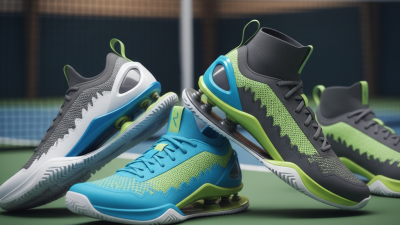
China has become a major sourcing hub for tennis shoes, serving private labels, sports retailers, and professional training brands worldwide. Its manufacturers offer broad production capacity, flexible OEM services, and competitive pricing. However, choosing a reliable partner requires more than checking attractive product photos.
This guide introduces China’s top 10 tennis shoes manufacturers for global buyers. It examines factory experience, material selection, court-specific outsole design, cushioning systems, quality control, production capacity, and export support. Buyers should also review sample consistency, minimum order quantities, lead times, and communication standards. Small details matter. A loose heel counter can affect confidence during a fast lateral move. A poorly bonded outsole can shorten the shoe’s playing life.
Footwear specialist Dr. Paul Langer has expressed a practical principle: “The best shoe is the one that fits your foot and your activity.” That idea remains important when comparing Chinese suppliers. Hard courts, clay courts, and indoor surfaces demand different traction patterns and durability levels. Manufacturers should provide clear technical specifications and dependable testing records.
No ranking is flawless. A factory may appear impressive online but struggle with size consistency or after-sales communication. Some suppliers excel at volume, while others perform better with premium materials and smaller custom orders. Global buyers need evidence, not promises. This overview offers a realistic starting point for supplier research, while encouraging independent samples, factory verification, and careful contract review before production begins.
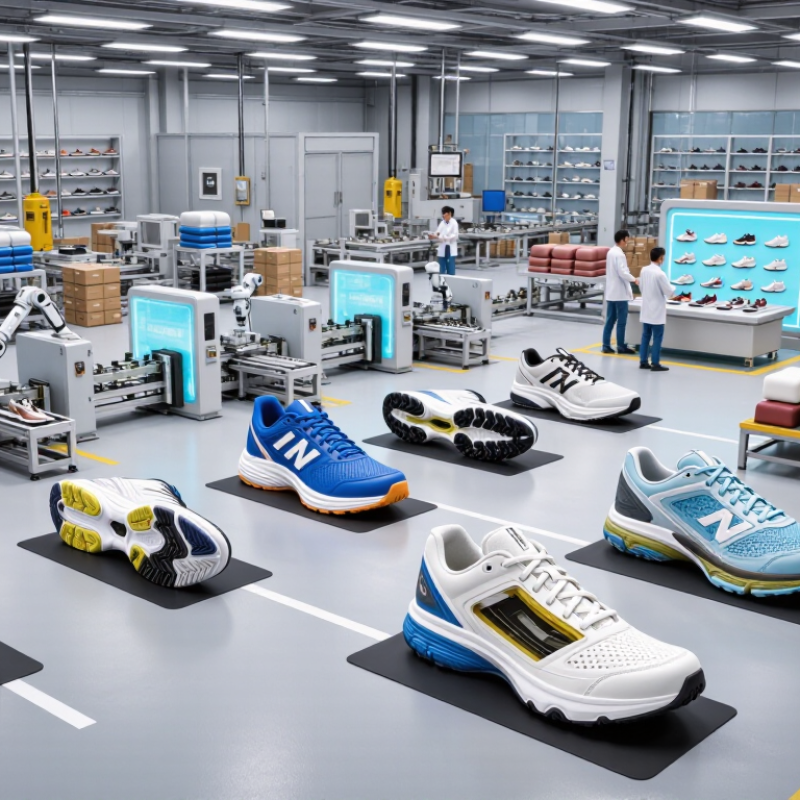
A leading tennis shoe manufacturer begins with a clear understanding of court movement. Experienced teams study lateral stability, toe drag, heel impact, and repeated flexing. They do not rely on attractive samples alone. A strong factory tests rubber hardness, bonding strength, stitching tension, and moisture resistance. Small details matter.
Material control shows professional capability. Reliable manufacturers record supplier batches for mesh, foam, rubber, and adhesives. They inspect materials before production, not after complaints arrive. Their technicians adjust the shoe last for different foot shapes and playing styles. Sample development should include wear testing on hard courts. Real courts expose weak glue quickly. Communication matters too. Technical drawings, measurement charts, and revision records reduce costly misunderstandings.
Quality systems must be visible. Buyers should ask for inspection procedures, production records, worker training details, and applicable testing reports. A dependable manufacturer explains its minimum order quantity, lead time, packaging process, and corrective actions. It also protects product consistency between samples and bulk orders. No factory gets every sample right. That is normal. What matters is whether the team identifies the problem, explains its cause, and fixes it with evidence. Some suppliers promise too much during negotiation. That should invite careful questions, not immediate trust. A capable partner welcomes independent inspections and gives practical answers, even when the answer is inconvenient.
Choosing among China’s top tennis shoe manufacturers requires more than comparing catalog photos. A reliable supplier should show recent production experience with tennis footwear, not only general athletic shoes. Ask for factory videos, export records, material sources, and quality-control procedures. A serious manufacturer can explain how rubber outsoles, mesh uppers, and cushioning layers are tested.
Request samples from different production batches. Check heel stability, toe protection, stitching, grip, and comfort after repeated court movement. The outsole should resist sliding without leaving unwanted marks. Measure the shoes in several sizes, because small fit changes can affect performance. Laboratory reports for abrasion, colorfastness, and restricted substances also matter. Documents must be current and traceable.
Supplier communication reveals practical professionalism. Can the team answer technical questions clearly? Do they confirm mold charges, minimum order quantities, packaging, lead times, and inspection standards in writing? A factory that accepts independent inspections usually offers stronger accountability. Still, a polished sample can hide inconsistent mass production. I once treated a perfect sample as proof of stable quality; that judgment was too quick. Require a pilot order and record defects by size and production date. Secure payment terms, corrective-action plans, and clear responsibility for rejected goods before scaling orders. Textile composition, labeling, and packaging should match the destination market’s requirements. Small details become expensive later.
China’s Top 10 Tennis Shoe Manufacturers for Global Buyers should be assessed by performance, consistency, and export readiness. A high position should not depend only on factory size or a low quotation. I review outsole grip, heel stability, stitching quality, and sizing accuracy before comparing prices. Small details matter.
During factory evaluations, I check rubber hardness, upper breathability, and bonding strength. A sample should survive repeated court movement, not only look attractive in photographs. Reliable manufacturers provide material specifications, inspection records, and clear production schedules. Buyers should also confirm minimum order quantities, packaging options, and communication speed. Some factories respond quickly before payment, then become slower during production. That warning deserves attention.
The strongest ten suppliers usually support custom colors, private labels, and different court surfaces. They can explain how clay, hard-court, and indoor soles require different tread patterns. Ask for pre-production samples and independent quality checks when the order is important. Certification claims should be verified through current documents, not informal promises. I have seen excellent samples followed by uneven bulk shipments, so a final inspection remains useful. The process is not perfect. Build extra time into delivery plans, especially around holiday shutdowns and port congestion. Reliable cooperation grows from written specifications, realistic deadlines, and evidence that matches each production stage.
China’s Top 10 Tennis Shoe Manufacturers for Global Buyers
| No. | Manufacturer Code | Main Manufacturing Area | OEM / ODM | Tennis Shoe Specialties | Estimated Monthly Capacity | Typical MOQ | Sample Lead Time | Bulk Lead Time | Common Compliance Documents |
|---|---|---|---|---|---|---|---|---|---|
| 1 | Manufacturer A | Jinjiang, Fujian | Yes | Rubber-outsole tennis shoes, EVA cushioning, breathable mesh uppers | 80,000–120,000 pairs | 500–1,000 pairs | 7–15 days | 35–50 days | ISO 9001, material test reports, social-audit support |
| 2 | Manufacturer B | Dongguan, Guangdong | Yes | Lightweight knitted uppers, TPU support pieces, customized packaging | 50,000–90,000 pairs | 300–800 pairs | 10–18 days | 40–55 days | ISO 9001, REACH-related testing, factory audit support |
| 3 | Manufacturer C | Quanzhou, Fujian | Yes | Hard-court rubber outsoles, reinforced toe caps, private-label development | 100,000–160,000 pairs | 1,000–2,000 pairs | 7–14 days | 30–45 days | ISO 9001, physical-performance testing, inspection reports |
| 4 | Manufacturer D | Putian, Fujian | Yes | Cushioned court shoes, molded EVA midsoles, cost-efficient bulk production | 70,000–110,000 pairs | 500–1,000 pairs | 8–16 days | 35–50 days | ISO 9001, product inspection records, chemical testing on request |
| 5 | Manufacturer E | Wenzhou, Zhejiang | Yes | Synthetic leather court shoes, stable heel counters, uniform and team orders | 40,000–75,000 pairs | 300–600 pairs | 10–20 days | 40–60 days | ISO 9001, material declarations, third-party inspection support |
| 6 | Manufacturer F | Huidong, Guangdong | Yes | Breathable engineered mesh, flexible forefoot construction, online-brand programs | 35,000–65,000 pairs | 200–500 pairs | 10–18 days | 35–55 days | ISO 9001, REACH-related testing, pre-shipment inspection |
| 7 | Manufacturer G | Ningbo, Zhejiang | Yes | Court shoes with non-marking outsoles, recyclable-material options, export packing | 30,000–60,000 pairs | 300–800 pairs | 12–21 days | 40–60 days | ISO 9001, recycled-content documentation where applicable, audit support |
| 8 | Manufacturer H | Taizhou, Zhejiang | Yes | Durable synthetic uppers, abrasion-resistant toe areas, mid-volume private labels | 25,000–50,000 pairs | 300–600 pairs | 10–18 days | 35–55 days | ISO 9001, footwear material test reports, carton and packing inspection |
| 9 | Manufacturer I | Chengdu, Sichuan | Yes | Lifestyle-to-court hybrids, mesh and textile uppers, small-batch product development | 20,000–40,000 pairs | 200–500 pairs | 14–24 days | 45–65 days | ISO 9001, product inspection records, material compliance documentation |
| 10 | Manufacturer J | Huizhou, Guangdong | Yes | Lightweight training and tennis shoes, phylon midsoles, flexible color customization | 30,000–55,000 pairs | 300–700 pairs | 10–20 days | 40–60 days | ISO 9001, chemical test reports, pre-shipment quality inspection |
Capacity, MOQ, and lead-time figures are typical supplier quotation ranges and should be confirmed directly during sourcing and factory audits.
When global buyers compare China’s top ten tennis shoe manufacturers, product range should be examined beyond catalog size. Strong factories usually offer hard-court, clay-court, and all-court soles, plus junior and wide-foot options. Look closely. A broad range is useful only when molds, mesh, cushioning, and outsole compounds remain consistent. Request current samples, not only digital images. In my sourcing experience, small details matter: heel counter stiffness, toe-box volume, lace-eyelet reinforcement, and rubber wear after repeated lateral movement.
Customization separates a trading office from a capable production partner. Ask whether the factory controls pattern development, material sourcing, color matching, and packaging. A practical request includes a tech pack, target weight, logo placement, size grading, and delivery tolerance. Many suppliers accept low-volume color changes, but custom tooling can raise costs and extend development by several weeks. Confirm minimum order quantities before approving artwork. Mistakes happen here. A beautiful sample may still fail during bulk production if tolerances are vague.
Quality comparisons need measurable evidence. Buyers should review pre-shipment inspection records, adhesion tests, flex testing, size measurements, and carton drop results. Independent testing adds credibility when large orders are involved. Pricing should be compared by landed value, not factory price alone. Include tooling, samples, packaging, freight, inspection, and replacement allowances. Entry-level pairs may suit promotions, while performance models require better foam recovery and durable rubber. I would avoid choosing the lowest quotation without a trial order. It can hide weaker stitching or unstable sizing. No scorecard is perfect; seasonal material changes and communication gaps still require human review.
Sourcing tennis shoes from China starts with a clear product brief. Define court type, upper materials, outsole rubber, cushioning, sizes, colors, and target price. A simple tech pack prevents costly misunderstandings. Then screen ten suitable manufacturers through verified business records, production photos, factory certifications, and export experience. Do not trust catalog images alone. Ask for recent sample work.
Request samples using identical specifications. Check stitching, heel support, outsole grip, weight, odor, and size accuracy. Test the shoes on hard courts if possible. Record wear after several sessions. The first sample may feel stiff or slip slightly. That is useful evidence, not a failure. Share measured comments and request a revised sample. Keep every change in writing.
Before placing an order, confirm minimum quantities, material composition, tooling fees, lead time, payment terms, packaging, and inspection standards. A pre-production sample should receive written approval. Arrange independent quality control before shipment, including carton counts and random size checks. Review labeling and documentation for the destination market. Factory visits add confidence, but they cannot replace testing. Leave room for delays. Weather, material shortages, and production mistakes happen. A reliable supplier explains problems early and offers practical corrections. Consistent records make future orders easier to manage.